
Assembly Bill 723 and Best Practices for Delivering Photographic Work
Assembly Bill 723 (AB 723) has prompted important conversations within the photography community about transparency, originality, and professional standards in image delivery. While the bill’s legal language should always be reviewed directly, its practical implication for photographers is clear: clients deserve access to images that accurately represent what was captured.
What AB 723 Means for Photographers
At its core, AB 723 explains the difference between a real, unaltered photo and one that has been digitally altered. The goal is not to limit creativity, but to make sure consumers know what is real and what has been edited. For photographers, this supports being honest, clear, and fair with clients.
Best Practices in Capture and Workflow
Professional photography already involves a degree of technical processing that is both expected and necessary. Best practices include:
Shooting with proper exposure, composition, and lighting at the time of capture.
Maintaining organized archives and clear version control throughout post-production.
Defining the “Original / Unaltered” Image Package
It is neither practical nor reasonable to expect photographers to deliver hundreds—or thousands—of untouched RAW files to a client. RAW files are working materials, not finished or even usable products for most clients.
Instead, the original/unaltered image package should consist of a semi-finished* product, which typically includes:
Layering (where applicable for technical assembly)
Straightening and cropping
Color correction and white balance
Exposure normalization
Sharpening and noise reduction
These steps are considered foundational technical processing, not digital alteration. They refine the image to accurately reflect what the camera captured and what the photographer observed at the scene.
*Images shown are for illustration purposes only.
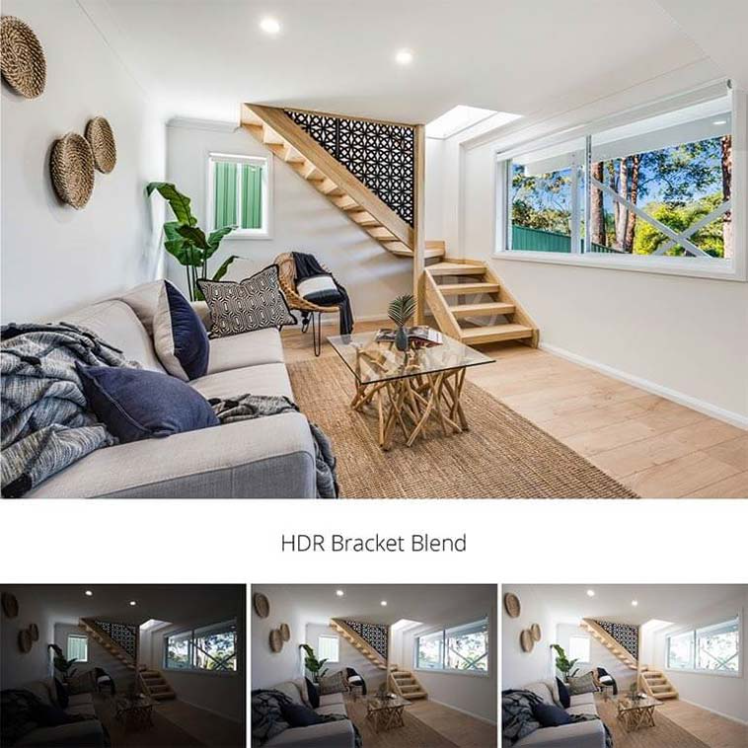
How a photographer can capture a room in different exposures to create one finished product
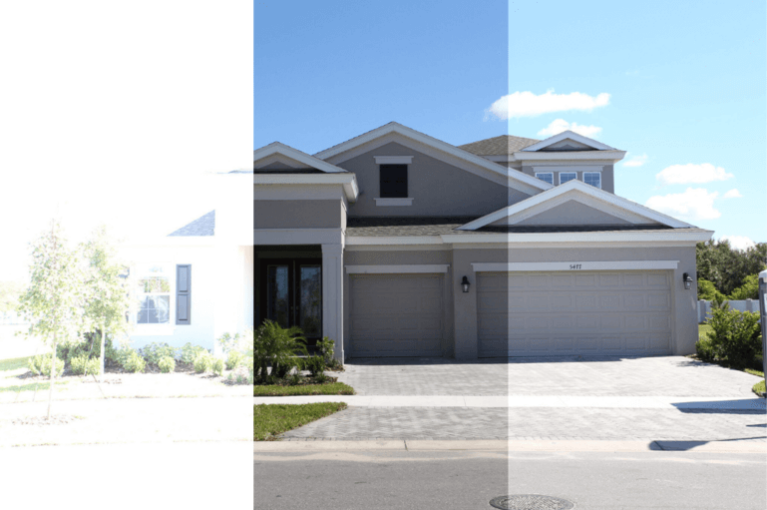 Shot in different exposures → | 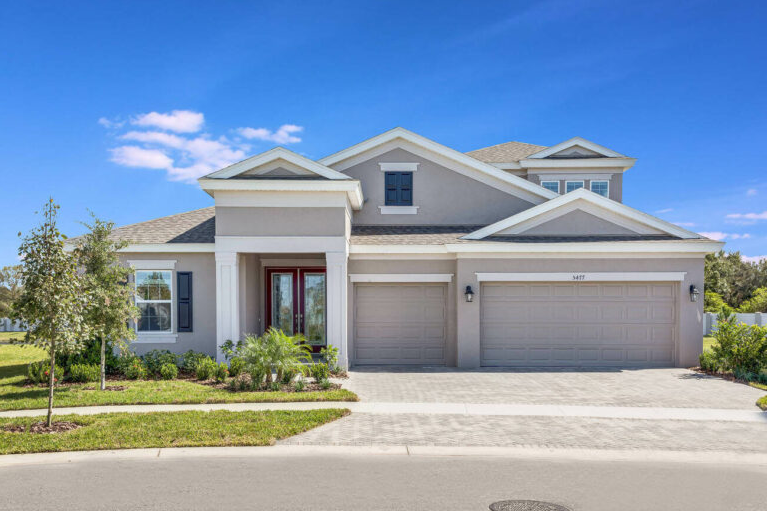 To create one finished product. |
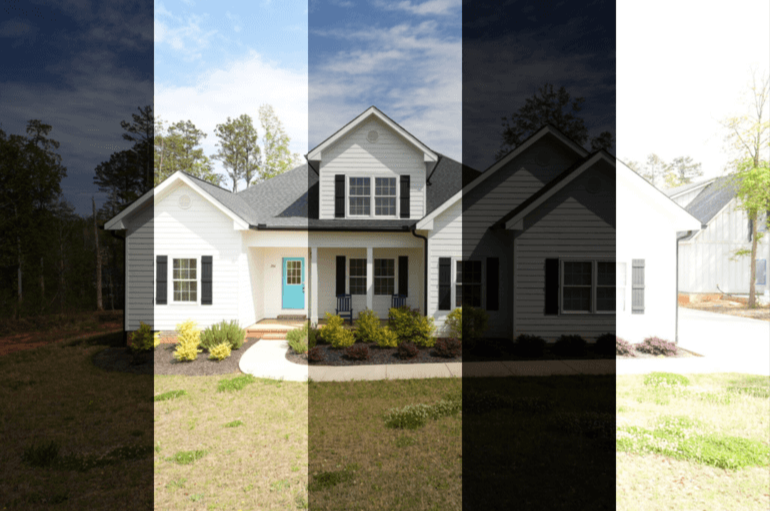 Shot in different exposures → |  To create one finished product. Altered grass. |
*Images shown are for illustration purposes only.
What Should Be Excluded from the Original Package
Digitally altering an image—such as removing power lines, changing paint colors, adding landscaping or digital furniture, altering the sky, or decluttering—means the photo is no longer original or unaltered. These images should be delivered as retouched or altered and clearly labeled.
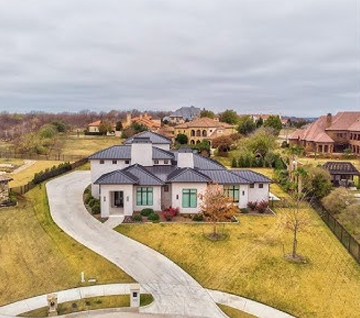 Original / Unaltered Original / Unaltered | 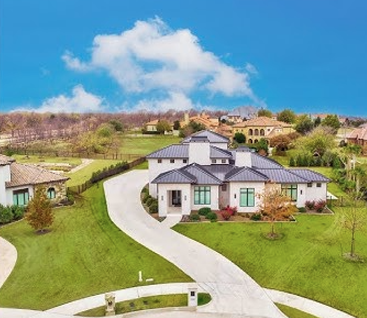 Digitally Altered Digitally Altered |
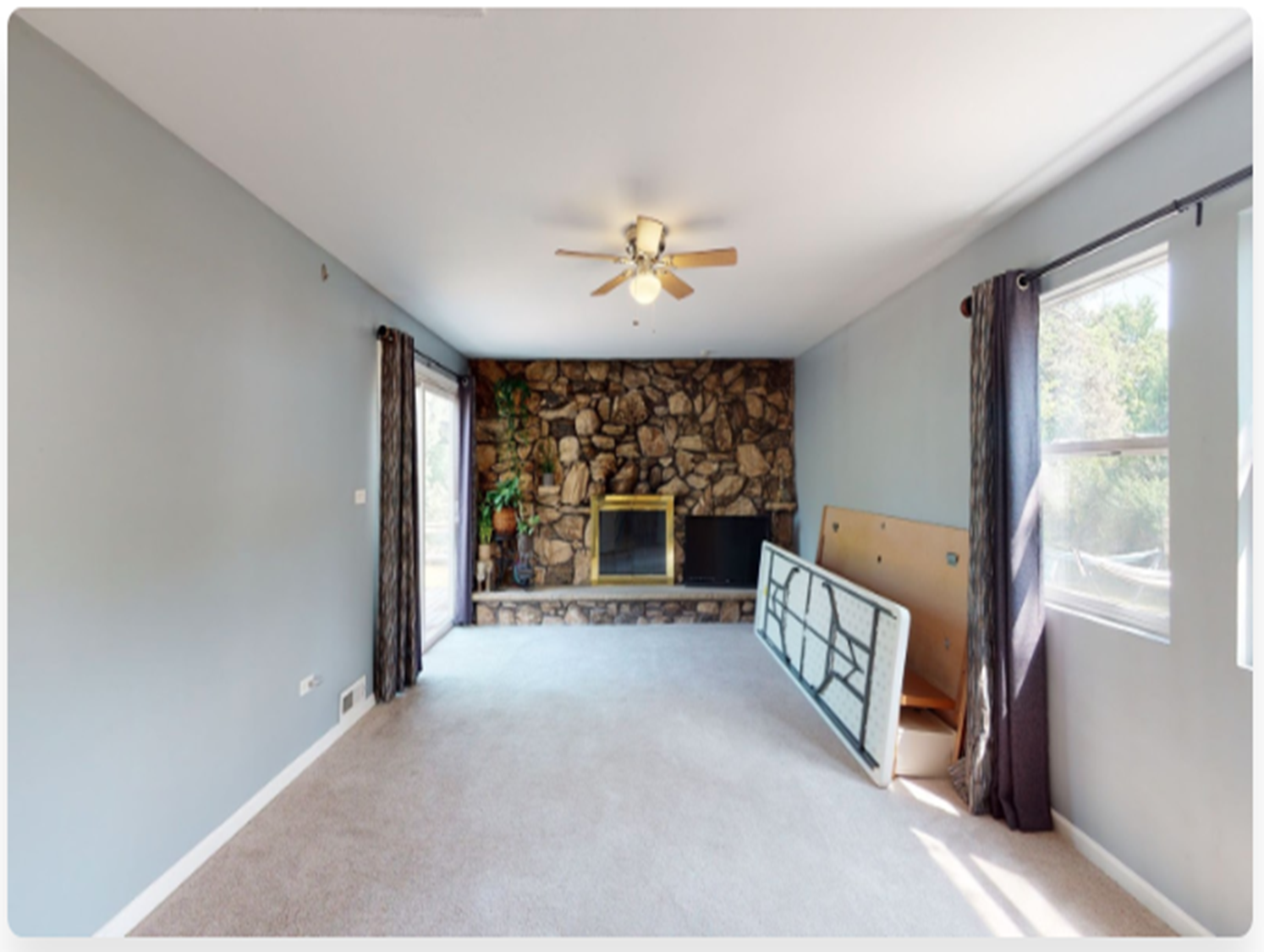 Original / Unaltered Original / Unaltered | 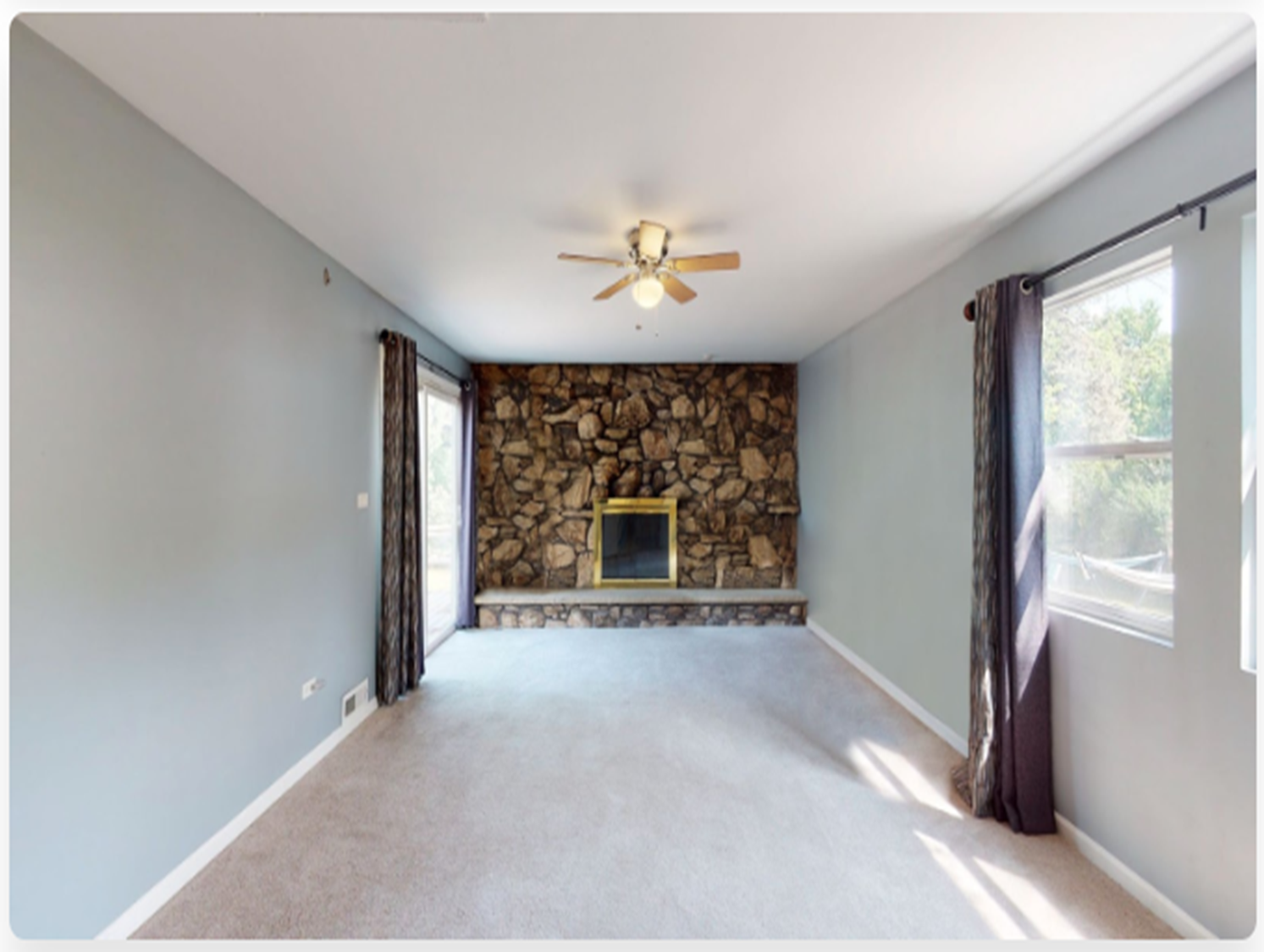 Digitally Altered Digitally Altered |
Clear Communication Is Key
Photographers are best protected—and best serve their clients—by clearly defining deliverables in contracts and invoices. Use precise language to distinguish:
Semi-finished*, original/unaltered images
Fully finished, digitally altered images
Branded content
Non-Branded content
Low resolution
High resolution
This transparency not only supports compliance with AB 723’s intent, but also reinforces professional credibility and trust.
Conclusion
AB 723 does not undermine professional photography; it reinforces it. By delivering technically processed, semi-finished images as the original/unaltered product—and reserving heavy digital manipulation for clearly identified altered versions—photographers can meet legal expectations while upholding industry best practices and sustainable workflows.
Disclaimer:
In this article, the term semi-finished refers to a photograph that has undergone basic technical processing—such as color correction, cropping, straightening, and sharpening—but has not been digitally or virtually altered. All content, images presented and summary are for general guidance and subject to interpretation. This material does not constitute legal advice. Always consult with your broker before making any decisions. For legal advice on how AB 723 affects your business, consult a qualified real estate attorney.
Need Local Assistance |
If you have any problems or questions please call SDMLS Support (858) 373-4010 or email - Support@sdmls.com |
Was this article helpful?
That’s Great!
Thank you for your feedback
Sorry! We couldn't be helpful
Thank you for your feedback
Feedback sent
We appreciate your effort and will try to fix the article